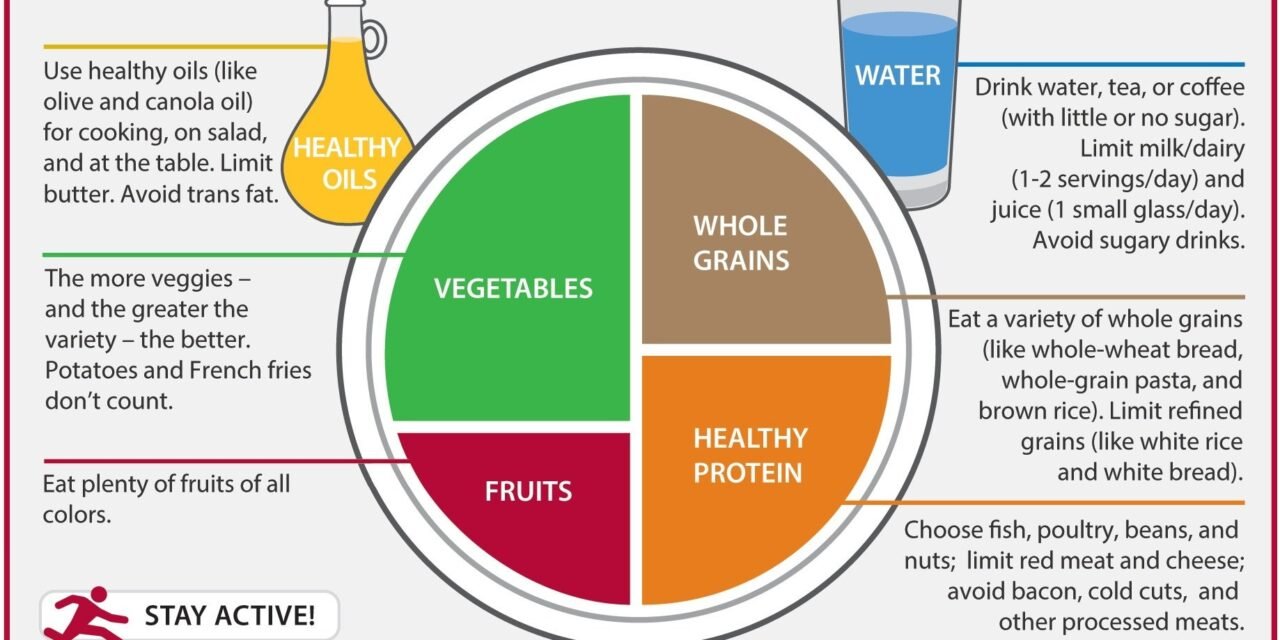

When it comes to healthy eating, building a balanced plate is one of the simplest and most effective strategies. A balanced plate ensures you’re getting the right mix of nutrients to fuel your body, keep your energy steady, and support overall health. The best part? You don’t need complicated diets or calorie counting — just follow these 10 simple rules.
1. Fill Half Your Plate with Fruits and Vegetables
Fruits and vegetables are rich in vitamins, minerals, fiber, and antioxidants. Aim for a variety of colors to maximize nutrient diversity. Think leafy greens, carrots, bell peppers, berries, and citrus fruits.
2. Make a Quarter of Your Plate Whole Grains
Whole grains like brown rice, quinoa, oats, and whole wheat bread provide complex carbs for sustained energy and important nutrients like fiber, magnesium, and B vitamins.
3. Reserve a Quarter for Lean Protein
Protein is essential for muscle repair, hormone production, and satiety. Good options include chicken, fish, turkey, eggs, tofu, beans, and lentils.
4. Include Healthy Fats
Don’t fear fats — just choose the right ones. Add sources like avocado, nuts, seeds, or olive oil to support brain health and reduce inflammation.
5. Keep Portions in Check
Even healthy foods can lead to weight gain if eaten in excess. Use your hand as a guide: protein should be about the size of your palm, carbs a cupped hand, and fats a thumb-sized portion.
6. Limit Added Sugars
Sugar adds empty calories without nutritional value. Choose naturally sweet options like fruit, and check food labels for hidden sugars in sauces, cereals, and drinks.
7. Choose Fresh Over Processed
Fresh, whole foods have more nutrients and fewer additives than processed options. If you buy packaged foods, look for short ingredient lists with recognizable items.
8. Drink Plenty of Water
Water is essential for digestion, nutrient absorption, and detoxification. Aim for at least 6–8 cups daily and limit sugary drinks.
9. Mind Your Cooking Methods
The way you prepare food matters. Opt for steaming, grilling, baking, or sautéing instead of deep frying to keep meals light and nutritious.
10. Listen to Your Body
Eat when you’re hungry and stop when you’re satisfied. Mindful eating helps prevent overeating and strengthens your connection with your body’s needs.
Putting It All Together
A balanced plate could look like this: half filled with steamed broccoli and roasted sweet potatoes, a quarter with grilled salmon, and a quarter with quinoa — topped with a drizzle of olive oil and a sprinkle of pumpkin seeds.
Final Thoughts
Building a balanced plate doesn’t have to be complicated. By following these 10 rules, you’ll naturally improve your nutrition, boost your energy, and support long-term health. Remember — it’s about consistency, not perfection. Small changes over time lead to big results.