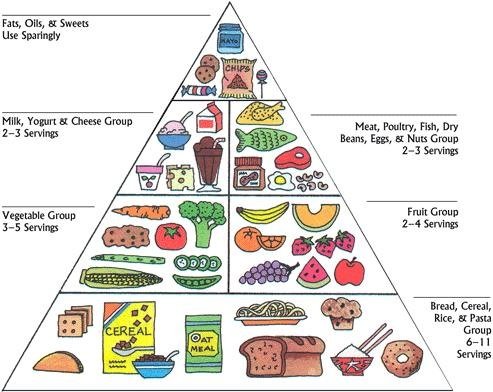

Your body is a finely tuned machine — and like any machine, it needs the right fuel to run smoothly. That “fuel” comes from the foods you eat, specifically from a variety of nutrients found in different food groups. Understanding the essential food groups is the first step toward building a healthy, balanced diet that supports long-term health, energy, and overall well-being.
In this guide, we’ll break down the main food groups, why your body needs them, and how to incorporate them into your daily meals.
1. Fruits
Why You Need Them:
Fruits are packed with vitamins, minerals, antioxidants, and dietary fiber. They help protect against chronic diseases like heart disease, cancer, and diabetes. The natural sugars in fruit provide quick energy without the crash that comes from refined sugar.
Examples: Apples, oranges, bananas, berries, grapes, mangoes.
Tips for Eating More:
-
Keep a fruit bowl on your counter for easy snacking.
-
Add berries to your breakfast cereal or yogurt.
-
Blend fruits into smoothies for a nutrient-rich drink.
2. Vegetables
Why You Need Them:
Vegetables are low in calories but rich in vitamins, minerals, and phytonutrients that support immune function, digestion, and overall health. Leafy greens, for example, are high in iron and calcium, while orange vegetables like carrots provide beta-carotene for healthy eyes.
Examples: Spinach, kale, carrots, broccoli, bell peppers, zucchini.
Tips for Eating More:
-
Include a vegetable in every meal, even breakfast.
-
Experiment with roasting or grilling for more flavor.
-
Add extra veggies to soups, stews, and pasta dishes.
3. Grains
Why You Need Them:
Grains, especially whole grains, are an important source of carbohydrates, your body’s main source of energy. They also provide fiber for healthy digestion, and some are rich in B vitamins and minerals.
Examples: Brown rice, quinoa, oats, barley, whole wheat bread.
Tips for Eating More (and Better):
-
Choose whole grains over refined grains.
-
Swap white rice for brown rice or quinoa.
-
Start your day with oatmeal instead of sugary cereals.
4. Protein Foods
Why You Need Them:
Protein is essential for building and repairing tissues, making enzymes and hormones, and supporting immune function. It also helps you feel full and satisfied after meals.
Examples: Chicken, fish, eggs, tofu, beans, lentils, nuts, seeds.
Tips for Eating More:
-
Include a source of protein in every meal.
-
Try plant-based proteins for variety.
-
Use nuts and seeds as healthy snacks or salad toppings.
5. Dairy (or Alternatives)
Why You Need Them:
Dairy products are a rich source of calcium, vitamin D, and protein — all crucial for healthy bones and teeth. If you’re lactose intolerant or vegan, fortified plant-based alternatives like almond, soy, or oat milk can provide similar nutrients.
Examples: Milk, yogurt, cheese, fortified plant milks.
Tips for Eating More:
-
Add yogurt to your breakfast or snacks.
-
Choose low-fat or fat-free options to reduce saturated fat intake.
-
Look for calcium-fortified non-dairy options.
6. Healthy Fats
Why You Need Them:
Fats support brain health, hormone production, and the absorption of fat-soluble vitamins (A, D, E, and K). The key is to choose unsaturated fats and limit unhealthy trans fats.
Examples: Olive oil, avocado, nuts, seeds, fatty fish like salmon.
Tips for Eating More:
-
Use olive oil instead of butter.
-
Add avocado slices to salads and sandwiches.
-
Snack on a handful of nuts instead of chips.
Bringing It All Together
To maintain optimal health, aim to include all food groups in your daily diet. Here’s a quick example of a balanced day:
-
Breakfast: Oatmeal topped with blueberries, almonds, and a glass of fortified almond milk.
-
Lunch: Grilled chicken salad with leafy greens, cherry tomatoes, and olive oil dressing, served with whole grain bread.
-
Dinner: Baked salmon, roasted sweet potatoes, and steamed broccoli.
-
Snacks: Greek yogurt with sliced strawberries, or apple slices with peanut butter.
Final Thoughts
No single food group can provide everything your body needs. The magic happens when you combine them — giving your body a steady supply of energy, essential nutrients, and protection against disease. By understanding and prioritizing all the essential food groups, you’re taking one of the most important steps toward a healthier, more energized life.