

When most people think of healthy eating, they picture colorful salads, lean proteins, and nutrient-rich superfoods. But there’s one key component that often gets overlooked—water. Hydration plays a vital role in your overall health, and it’s just as important as the food you put on your plate.
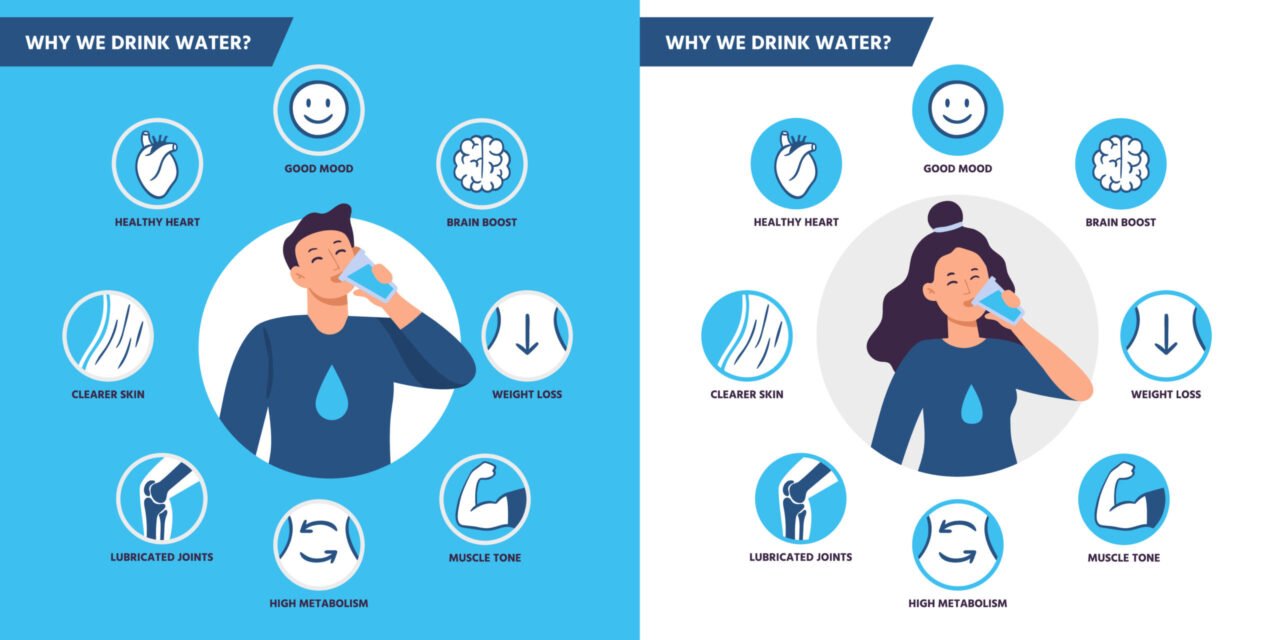
In fact, drinking enough water every day can improve digestion, reduce fatigue, support metabolism, and even help you manage your weight. Yet many people walk around in a constant state of mild dehydration without even realizing it.
Let’s break down why water is so essential—and how to make sure you’re getting enough every day.
💧 Why Hydration Is So Important
Water makes up about 60% of your body, and nearly every biological process depends on it. From regulating temperature to transporting nutrients and removing waste, your body simply can’t function without proper hydration.
Here are just a few of the key benefits of staying well-hydrated:
-
Boosts Energy Levels: Even mild dehydration can cause fatigue, sluggishness, and reduced concentration.
-
Aids Digestion: Water helps break down food, absorb nutrients, and keep things moving through your digestive system.
-
Supports Metabolism: Proper hydration can help your body efficiently burn calories and maintain energy balance.
-
Improves Mood and Focus: Studies show that hydration positively impacts cognitive function, alertness, and emotional well-being.
-
Promotes Healthy Skin: Hydration helps keep skin supple and clear by flushing out toxins and supporting elasticity.
-
Controls Appetite: Thirst is often mistaken for hunger. Drinking water before meals can help prevent overeating.
🚱 Signs You Might Be Dehydrated
Because our thirst response can be delayed or dulled—especially as we age—it’s easy to become dehydrated without realizing it.
Common signs of dehydration include:
-
Dry mouth or cracked lips
-
Headaches
-
Fatigue or dizziness
-
Dark yellow urine
-
Constipation
-
Brain fog or trouble concentrating
If you’re experiencing any of these, your body may be asking for more fluids.
💡 How Much Water Do You Need?
There’s no one-size-fits-all number, but a general guideline is to aim for about:
-
8 glasses (2 liters) a day for women
-
10–12 glasses (2.5–3 liters) a day for men
However, your needs may increase if you’re:
-
Physically active
-
Living in a hot climate
-
Consuming caffeine or alcohol
-
Pregnant or breastfeeding
One easy check: look at the color of your urine. Pale yellow means you’re well-hydrated; dark yellow or amber means you need more water.
🧃 What Counts Toward Your Daily Hydration?
While plain water is best, other fluids can contribute to your daily intake:
-
Herbal teas
-
Coconut water
-
Water-rich fruits and vegetables (like cucumbers, watermelon, and oranges)
-
Soups and broths
That said, try to limit sugary drinks, soda, and energy drinks—they can dehydrate more than they hydrate and often come with added calories.
🔄 Simple Tips to Drink More Water
If you struggle to drink enough water daily, try these easy habits:
-
Start your day with water – Drink a glass as soon as you wake up.
-
Carry a reusable water bottle – Having it within reach is a constant reminder.
-
Set reminders – Use apps or phone alarms to prompt hydration breaks.
-
Infuse with flavor – Add slices of lemon, cucumber, or berries to enhance taste.
-
Drink before meals – It supports digestion and helps control appetite.
Small, consistent actions can make a big difference over time.
Final Thoughts
You don’t need to make massive changes to live a healthier life—sometimes, it starts with something as simple as a glass of water. Hydration is foundational to everything your body does, and it supports all other aspects of healthy eating and living.
Make water your wellness ally. Drink consistently, stay energized, and let your body perform at its best—every single day.
#StayHydrated #HealthyLifestyle #WellnessTips #HydrationMatters #DrinkMoreWater