
Water is the most essential nutrient for life. While we can survive weeks without food, we can only last a few days without water. Every cell, tissue, and organ in your body depends on it to function properly. Yet, despite its importance, many people either underestimate their water needs or overestimate how much they should drink. So, how much water do you really need daily, and why does it matter so much for your health?
Why Hydration Matters
Water plays a role in nearly every bodily function:
-
Regulates body temperature through sweating and respiration.
-
Aids digestion by helping break down food and absorb nutrients.
-
Flushes toxins through urine and sweat.
-
Keeps joints lubricated, reducing friction and pain.
-
Supports brain function, improving focus, mood, and memory.
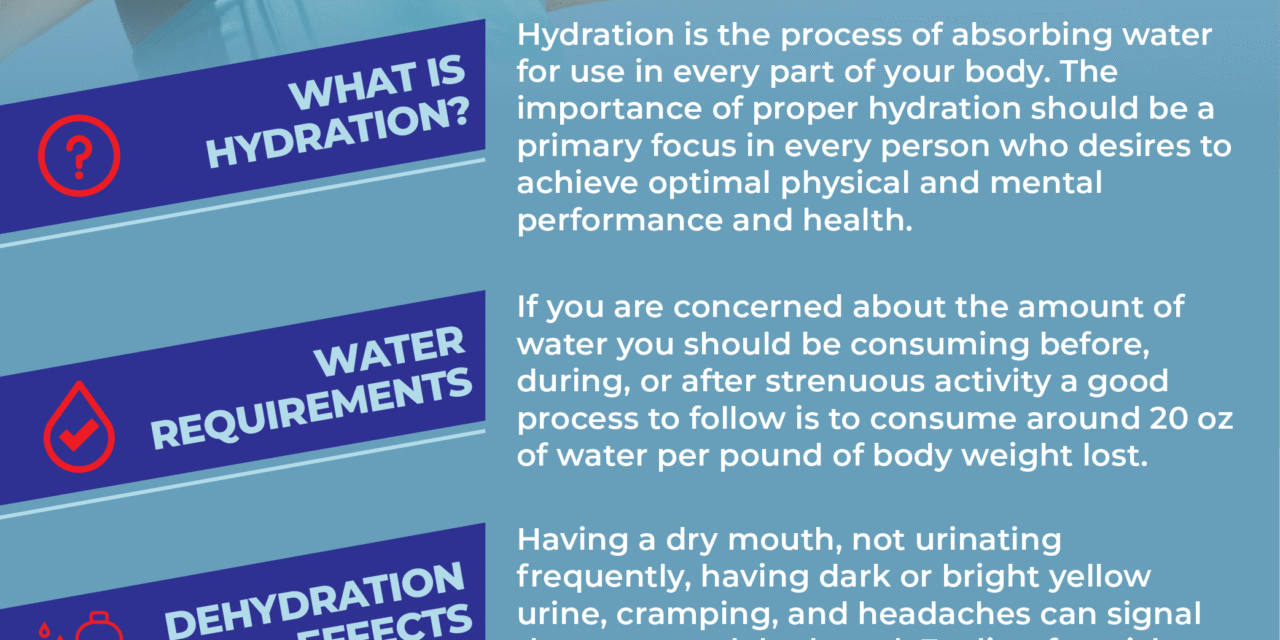
Even mild dehydration—just 1–2% of your body weight in fluid loss—can cause headaches, fatigue, dizziness, and reduced concentration. Chronic dehydration can contribute to more serious health problems, including kidney stones and urinary tract infections.
How Much Water Do You Need?
The “8 glasses a day” rule is popular but overly simplified. Your water needs depend on several factors, including your age, activity level, climate, and health condition.
Health experts, including the U.S. National Academies of Sciences, recommend:
-
Men: Around 3.7 liters (125 ounces) per day
-
Women: Around 2.7 liters (91 ounces) per day
This includes water from all sources—plain water, beverages, and even food. Fruits and vegetables like watermelon, cucumber, and oranges have high water content and contribute to your daily intake.
Factors That Increase Your Water Needs
You might need more than the standard recommendations if you:
-
Exercise regularly – Sweating increases fluid loss. Drink before, during, and after your workout.
-
Live in hot or humid climates – Higher temperatures increase sweat and water loss.
-
Are pregnant or breastfeeding – Fluid needs rise to support you and your baby.
-
Are sick – Vomiting, diarrhea, or fever can deplete fluids quickly.
Signs You’re Not Drinking Enough
Your body sends warning signs when you’re getting dehydrated. Watch for:
-
Dark yellow urine or reduced urination
-
Dry mouth or cracked lips
-
Fatigue or dizziness
-
Headaches or muscle cramps
A quick check is the urine color test—pale yellow generally indicates good hydration, while dark yellow means you need more water.
Tips for Staying Hydrated
-
Start your day with a glass of water before your morning coffee.
-
Carry a reusable water bottle and sip throughout the day.
-
Infuse your water with fruit, cucumber, or mint to make it more appealing.
-
Eat water-rich foods to naturally boost hydration.
-
Set reminders on your phone if you often forget to drink.
Can You Drink Too Much Water?
Yes—overhydration, though rare, can occur when you drink excessive amounts in a short time, diluting the sodium in your blood (a condition called hyponatremia). Symptoms include nausea, confusion, and, in severe cases, seizures. Balance is key—listen to your body’s thirst signals.
Final Thoughts
Water isn’t just something to sip when you’re thirsty—it’s a daily necessity for keeping your body in peak condition. Aim to meet your personal hydration needs based on your lifestyle, and remember that consistency is more important than chugging large amounts all at once. Staying hydrated is one of the simplest, cheapest, and most effective ways to boost your health every single day.